 Southern Maine Criminal Lawyer Blog
How Maine Classifies Controlled Substances

Class A drugs are the most serious category of controlled substances under Maine law. They include heroin, fentanyl, oxycodone, methamphetamine, and crack cocaine. Convictions for Class A drug offenses carry the harshest penalties in the state, including up to 30 years in prison for aggravated trafficking.
Maine classifies all controlled substances into five categories – Class A through Class E – under Maine’s controlled substances chapter. Class A represents the most dangerous substances, while Class E covers the least serious offenses. This system determines how prosecutors charge drug crimes and what penalties a court can impose.
A Class A drug (also known as type A drugs) under Maine law is a controlled substance that the legislature has placed in the highest danger category. The legislature bases this placement on the substance’s potential for abuse, risk of dependence, and harm to public health. Class A substances carry the most severe criminal consequences upon conviction. These classification labels signal to courts, prosecutors, and criminal defense attorneys exactly how seriously the state treats the offense.
Understanding which class a substance belongs to is critical. The classification alone can mean the difference between a misdemeanor and a felony, between probation and years in prison.
What Are Class A Drugs in Maine?
Class A drugs represent the substances Maine considers most dangerous. The state legislature has determined these drugs carry the highest potential for abuse, severe physical dependence, and significant public health risk.
Class A drugs include dangerous drugs such as:
- Heroin (diacetylmorphine)
- Fentanyl and fentanyl analogs
- Oxycodone (when possessed or distributed outside a valid prescription)
- Cocaine base (crack cocaine)
- Methamphetamine
- Other opioid narcotics such as hydromorphone and morphine in certain forms
These Class A drugs share common traits. They are highly addictive and carry serious overdose risks. They also drive significant criminal activity. Maine’s opioid crisis has made fentanyl and heroin cases especially common in recent years.
Class A narcotics like heroin and fentanyl appear in a large share of drug cases prosecuted in Maine courts. In our experience defending drug cases in Maine, the substance’s specific classification often determines whether prosecutors pursue felony or misdemeanor charges. It also determines whether alternative sentencing is available.
Possession, trafficking, and manufacturing of Class A drugs all carry the most severe penalties under Maine’s sentencing framework. Even simple possession of a Class A substance can result in years of incarceration. Trafficking and aggravated trafficking charges escalate the consequences dramatically.
The distinction matters at every stage of a case. From the initial arrest through plea negotiations and trial, the substance’s Class A status shapes every decision prosecutors and judges make.
Class B, C, D, and E Drugs in Maine
Maine’s classification system extends beyond Class A to cover a wide range of controlled substances. Understanding the differences between Classes B, C, D, and E helps clarify why certain charges carry heavier consequences than others.
Class B Drugs
Class B drugs are the second most serious category under Maine law. Class B substances carry significant abuse potential but rank below Class A in statutory severity.
Class B drugs include cocaine in powder form, MDMA, PCP, LSD, and psilocybin mushrooms.
A Class B drug offense still carries serious prison time and steep fines. The key difference from Class A is the statutory maximum for sentencing. Prosecutors treat these cases aggressively, particularly when distribution or trafficking is involved.
Class C Drugs
Class C controlled substances include certain prescription medications possessed without a valid prescription and some hallucinogens. The legislature has placed other drugs in this middle tier as well. Penalties are less severe than Class A or B offenses, but a conviction still results in a felony-level crime in many cases.
We regularly represent clients who did not realize that possessing certain prescription medications without a valid prescription could result in a Class C drug charge (not to be confused with Class C assault). Many people assume prescription drugs carry lighter consequences. But Maine law treats unauthorized possession seriously.
Class D and Class E Drugs
Class D drugs include marijuana possessed in amounts above personal use thresholds – outside Maine’s legal adult-use framework – and certain prescription medications. Class D offenses are typically misdemeanors, but they still carry jail time and fines.
Class E drugs fall under the lowest classification tier. Class E drugs include possession of small amounts of certain controlled substances and some minor prescription drug violations. Class E drugs carry the lightest statutory penalties in Maine’s system.
Do not mistake “lowest tier” for “no consequences.” A Class E conviction is still a criminal offense. It appears on background checks and can affect employment. A Class E conviction creates a criminal record that follows you.
Maine’s adult-use marijuana legalization has changed the landscape for cannabis-related offenses. Adults 21 and older may possess and use marijuana within legal limits. Possession outside those parameters can still result in drug charges under Maine’s classification system. These parameters include exceeding quantity limits, unlicensed distribution, or possession by minors.

Penalties for Drug Crimes by Classification in Maine
Maine’s penalty structure ties directly to drug classification. Higher classes mean longer sentences, larger fines, and fewer options for alternative disposition. Offense penalties are found in Maine statute, and sentencing guidelines apply to sentencing decisions.
Class A drug offenses:
- Simple possession: Typically charged as a Class C crime – up to 5 years in prison and fines up to $5,000
- Unlawful trafficking: Typically a Class B crime – up to 10 years in prison and fines up to $20,000
- Aggravated trafficking: A Class A crime – up to 30 years in prison and fines up to $50,000
Class A drug penalties present a stark range. A first-time possession charge might result in probation with treatment conditions. An aggravated trafficking conviction could mean decades behind bars.
Class B drug offenses:
- Possession is typically a Class D crime – up to 364 days and $2,000 in fines
- Trafficking charges escalate to Class B or Class C crimes – up to 10 years
Class C drug offenses:
- Penalties range from Class D misdemeanors to Class C felonies depending on the conduct
Class D and E drug offenses:
- Class D offenses are generally Class D or E crimes – up to 364 days for Class D, up to 6 months for Class E
- Class E drug offenses carry the lightest penalties but still result in a criminal record
Aggravating factors increase penalties significantly. These include:
- Drug activity within 1,000 feet of a school
- Involvement of minors in any aspect of the offense
- Quantity thresholds that trigger trafficking or aggravated trafficking charges
- Use or possession of firearms during the offense
Mandatory minimum sentences apply to certain trafficking offenses, particularly for Class A substances. These minimums limit a judge’s ability to impose lighter sentences. Early defense intervention is critical for these cases.
Common Defenses Against Drug Charges in Maine
Every drug case has potential vulnerabilities in the prosecution’s evidence. An experienced attorney evaluates these from the moment of arrest.
Unlawful search and seizure. Fourth Amendment protections guard against unreasonable searches. If police searched your vehicle, home, or person without probable cause or a valid warrant, the court may suppress the evidence. This is true regardless of which drug class is involved. This defense can dismantle an entire case.
Lack of knowledge or intent. The state must prove you knew the substance was present and knew it was illegal. If drugs were found in a shared vehicle or residence, the prosecution faces a higher burden.
Constructive possession challenges. Proximity to drugs does not equal possession. If the substance was found in a common area or belonged to someone else, the state may struggle to prove you controlled it.
Entrapment. If law enforcement induced you to commit a drug offense you would not have otherwise committed, entrapment may apply as a defense.
Crime lab testing errors. The state must prove the substance is what they claim it is. Chain of custody issues, contamination, or unreliable testing can create reasonable doubt.
Valid prescription defense. For substances that are legal with a prescription, proof of a valid prescription can defeat the charge entirely.
In our experience handling drug cases across Maine courts, we have seen cases reduced or dismissed based on each of these defenses. The key is identifying the right strategy early.
Talk to a Maine Drug Defense Attorney Today
Drug classification directly impacts the severity of your charges and the penalties you face. The difference between a Class A and a Class E offense could mean the difference between decades in prison and a misdemeanor conviction. An experienced defense attorney can evaluate the evidence against you, challenge the substance classification, and fight for reduced charges or dismissal.
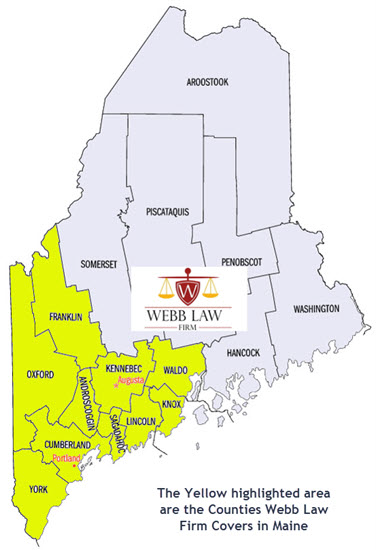
Webb Law Firm handles drug cases across all five classification levels in Maine courts. We understand how prosecutors in different counties approach drug charges. We use that knowledge to build effective defense strategies for our clients.
If you or someone you care about faces drug charges in Maine, early legal intervention can affect the outcome. This is especially important for Class A charges where penalties are most severe. Contact Webb Law Firm today for a consultation. The sooner an attorney reviews your case, the more options may be available.
This article is for informational purposes only and does not constitute legal advice. Anyone facing drug charges should consult an attorney about their specific situation.

Frequently Asked Questions About Drug Classifications in Maine
What is the difference between Class A and Class B drugs in Maine?
Class A includes the most dangerous substances – heroin, fentanyl, methamphetamine, and crack cocaine. Class A carries the harshest penalties. Class B includes drugs like powder cocaine, MDMA, and LSD. Both carry serious consequences, but Class A offenses trigger higher maximum sentences and mandatory minimums for trafficking.
Can a Class E drug charge still go on my criminal record?
Yes, a Class E conviction is still a criminal offense even though Class E is the lowest drug classification in Maine. It will appear on background checks and could affect employment or housing. An attorney may be able to negotiate alternatives like deferred disposition to avoid a permanent conviction on your record.
Is marijuana still a controlled substance in Maine?
Maine legalized adult-use cannabis for people 21 and older. Possession above legal limits can still result in criminal drug charges. Unlicensed distribution and possession by minors can also result in criminal charges. Cannabis-related offenses may fall under Class D or Class E depending on the circumstances.
What happens if I am caught with a Class A drug for the first time?
First-time possession of a Class A drug is typically charged as a Class C crime in Maine. This carries up to 5 years in prison and fines up to $5,000. Factors like quantity, suspected intent to distribute, and your prior record affect the actual charge and sentence. An attorney can often negotiate for treatment programs or reduced charges, particularly for first-time offenders. Learn more about Schedule W drugs to understand how Maine categorizes controlled substances.