 Southern Maine Criminal Lawyer Blog
What Is a Car Breathalyzer (Ignition Interlock Device)?

Maine law requires certain OUI offenders to install an ignition interlock device (IID) – a breathalyzer in your car for DUI – before they can legally drive again. This device measures the driver’s blood alcohol concentration (BAC). It prevents the vehicle from starting if alcohol is detected above the preset limit.
An ignition interlock device is a small electronic unit wired into your vehicle’s ignition system. Before you can start the car, you must blow into a mouthpiece. The device analyzes your breath sample for alcohol. If your BAC reads above 0.02% – the standard threshold in Maine – the car will not start.
The process does not end once the engine turns over. The device requires rolling retests while you drive. At random intervals, the IID prompts you to provide another breath sample. This prevents someone from having a sober friend blow into the device at startup and then driving while impaired.
In our experience representing clients facing IID requirements after OUI charges in Maine courts, many are surprised by how sensitive these devices are. A BAC of 0.02% is far below the legal limit of 0.08%. Even trace amounts of alcohol from mouthwash, certain medications, or a single drink hours earlier can trigger a lockout. Every test result – pass or fail – is logged and reported to the Maine Bureau of Motor Vehicles (BMV).
For anyone searching about a DUI breathalyzer car requirement, understand that Maine uses the term OUI (Operating Under the Influence) rather than DUI or DWI. The device and the rules work the same way regardless of what your home state calls the offense.
Maine’s Breathalyzer in Car Law Explained
Maine’s ignition interlock requirements are governed primarily by ignition interlock device installation. This statute spells out who must install an IID. It also addresses how long the device must remain on the vehicle and what happens if someone violates the terms.
Under the breathalyzer in car law, both the courts and the BMV can order IID installation. A judge may impose an IID as part of a criminal sentence after an OUI conviction. The BMV may also require an IID as a condition of license reinstatement after an administrative suspension. In many cases, both orders apply.
The statutory framework works in layers. The type of offense determines the IID requirement. Your BAC at arrest also matters. Your prior OUI history also affects the outcome. Maine’s approach has grown stricter over the years, following a national trend toward expanding interlock requirements for all impaired driving offenders.
Compared to DWI breathalyzer in car requirements in other states, Maine falls in the middle of the spectrum. Some states require IIDs for every first-time offender. Maine reserves mandatory IID for aggravated first offenses and repeat offenders. Other first offenders can use voluntary IID installation for early license reinstatement.
Maine also differs from neighboring New Hampshire in significant ways regarding car breathalyzers. New Hampshire has historically been less aggressive with IID mandates. Both states continue to tighten their requirements. Understanding Maine-specific rules is essential because the details vary widely from state to state.

Who Is Required to Install a Breathalyzer in Their Car?
Not every OUI arrest leads to an IID requirement. Maine law targets specific categories of offenders based on offense severity and prior history.
First-Time OUI Offenders
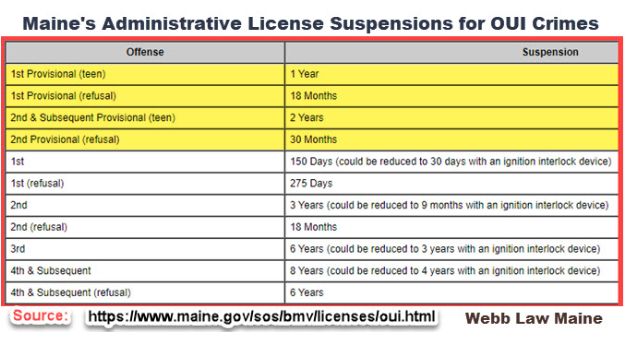
First-time OUI offenders in Maine face a license suspension of 150 days. After serving a portion of that suspension, many first-time offenders can apply for early reinstatement with an IID.
If you have a breathalyzer in your car after a first offense, you typically must keep it installed for the remainder of your suspension period. This often runs around 150 days total. This early reinstatement option lets you drive to work, school, and medical appointments. You avoid sitting out the full suspension with no driving privileges.
Mandatory IID installation kicks in for aggravated OUI first offenses. If your BAC was 0.15% or higher, you face a mandatory IID period. This becomes a condition of getting your license back. The court may also order an IID for first offenses involving an accident. A minor in the vehicle also triggers this requirement. Excessive speed can as well.
One client we worked with – a first-time offender with no prior record – was surprised to learn that an aggravated BAC reading automatically triggered an IID requirement. Early legal intervention helped clarify the timeline. It also helped navigate the BMV reinstatement process smoothly.
Repeat OUI Offenders
Second and subsequent OUI convictions carry mandatory IID requirements. The court has no discretion here. The court must order the device. The BMV will not reinstate your license without proof of installation.
A second OUI conviction typically requires an IID for two to three years. A third conviction can mean four years or more. Maine’s habitual offender provisions add further complications. If you are classified as a habitual offender, you face longer suspension periods. Extended IID terms also apply before full license reinstatement.
The timelines stack up quickly. A second offender who also has a test refusal on record could face an IID period stretching well beyond the minimum. Each case depends on the specific facts and the court’s findings.
Refusal of a Chemical Test
Many drivers believe that refusing a breathalyzer or blood test during an OUI stop helps their case. In reality, Maine’s implied consent law imposes separate penalties for refusal. These penalties include mandatory IID installation as a condition of license reinstatement.
A test refusal triggers an automatic administrative license suspension of 275 days for a first refusal. When you apply to get your license back, the BMV may require an IID. This applies even if the underlying OUI charge is later reduced or dismissed. The refusal penalty stands on its own.
This is one of the most misunderstood aspects of a DUI blowing device for OUI cases. Drivers assume that refusing the test avoids evidence against them. Instead, it often adds an IID requirement on top of whatever penalties the OUI charge itself carries. We regularly counsel clients on this distinction during initial consultations.
Car Breathalyzer Rules and Requirements in Maine
Maine enforces strict car breathalyzer rules governing every aspect of IID use. Understanding these rules is critical. Even minor violations can extend your IID period or result in additional penalties.
Approved providers. Maine requires installation by a state-approved IID service center. You cannot purchase a device online and install it yourself. The BMV maintains a list of approved providers. You must use one on that list.
Installation. The service center wires the IID into your vehicle’s ignition system. The process typically takes two to three hours. You must provide proof of installation to the BMV before your restricted license takes effect.
Calibration. The device must be calibrated every 60 days at an approved service center. During calibration, the technician downloads the device’s data log. The technician transmits it to the BMV. Missing a calibration appointment counts as a violation.
Data logging. The IID records every breath test – time, date, and BAC reading. It also logs failed tests, missed rolling retests, and any signs of tampering. This data goes directly to the BMV and, in many cases, to the court.
Rolling retests. While driving, the device prompts you to blow at random intervals. You have a short window to provide the sample. If you fail a rolling retest, the device does not shut off the engine – that would be dangerous. It triggers the horn and lights and logs the failure.
Tampering prohibition. Any attempt to bypass, disconnect, or tamper with the IID is a separate criminal offense. Having another person blow into the device for you also counts as a violation. This can lead to new charges.

How Much Does a Car Breathalyzer Cost in Maine?
The financial burden of a DUI car breathalyzer falls entirely on the offender. The court and state do not cover any costs. Here is what to expect:
| Cost Category | Typical Range |
|---|---|
| Installation fee | $75 – $150 |
| Monthly lease and monitoring | $60 – $90/month |
| Calibration (every 60 days) | Often included in monthly fee |
| Removal fee | $50 – $100 |
| State program or administrative fee | Varies |
For a one-year IID period, the total cost typically runs between $900 and $1,300. For a three-year IID period – common for repeat offenders – costs can reach $2,500 to $3,500 or more.
These figures do not include the cost of the underlying OUI conviction itself. Fines apply. Court fees apply. Increased insurance premiums apply. Potential lost wages also apply. The IID is an added expense on top of everything else.
Maine does have limited financial hardship provisions. If you can demonstrate that IID costs create an undue burden, you may request modified terms. However, the court rarely waives the IID requirement entirely. In most cases, the hardship provision adjusts payment terms rather than eliminating the obligation.
Clients often tell us the ongoing monthly cost surprises them the most. Installation is a one-time expense. The lease and monitoring fees continue for the entire IID period. Budgeting for these costs from the start helps avoid missed payments and potential violations.

What Happens If You Violate IID Requirements?
Violations carry serious consequences. The BMV monitors compliance closely. Every infraction is recorded.
Common violations include:
- Driving without the IID installed – operating any vehicle that does not have a functioning device
- Tampering with or circumventing the device – disconnecting wires, blocking the sensor, or using compressed air
- Having someone else provide the breath sample – a separate criminal offense
- Failing a rolling retest – a BAC reading above 0.02% while driving
- Missing a calibration appointment – failing to bring the vehicle to a service center on schedule
The BMV may extend your IID period for each violation. A single failed rolling retest might add months to your requirement. Repeated violations can result in full license revocation and new criminal charges.
Driving a vehicle without an installed IID while your license requires one is treated as driving on a suspended license. This is a criminal offense that carries its own fines and potential jail time. An even longer path back to full driving privileges follows.
We have worked with clients who faced extended IID periods after missing a single calibration appointment. A scheduling mix-up caused the missed appointment. The BMV treats every missed appointment as a violation regardless of the reason. Staying on top of the compliance calendar is essential.
Talk to a Maine OUI Defense Lawyer About Your Case
Facing an IID requirement changes your daily life. The costs add up. The compliance rules are strict. A single violation can set you back months. But an IID requirement is not inevitable after every OUI arrest.
An experienced OUI defense attorney at Webb Law Firm can help you explore every option. If the underlying OUI charge can be challenged, you may avoid the IID requirement entirely. Issues with the traffic stop can support a challenge. Problems with field sobriety tests can support a challenge. Breath or blood test procedure errors can support a challenge. Other procedural errors also support challenges.
Even when a conviction is likely, an attorney can negotiate terms that minimize the IID duration. We can help you qualify for early removal. Webb Law Firm handles both the criminal defense side in Maine District and Superior Courts and the administrative BMV hearings. BMV hearings determine license reinstatement conditions.
The sooner you contact an attorney after an OUI arrest, the more options may be available. Evidence preservation matters. Witness availability matters. Filing deadlines work against delay.
Contact Webb Law Firm to schedule a consultation about your OUI charge and discuss how Maine’s IID requirements may affect your case.

Frequently Asked Questions About Car Breathalyzers
How long do you have to have a breathalyzer in your car after an OUI in Maine?
The duration depends on the offense. First-time offenders using an IID for early license reinstatement typically keep it for about 150 days. Aggravated first offenses may require a longer period. Second OUI convictions generally carry a two- to three-year IID requirement. Third or subsequent convictions can mean four years or more. Violations during the IID period can extend these timelines. Learn more about interlock laws to understand your specific requirements.
Can you drive any car if you have an ignition interlock device?
No. You may only drive vehicles equipped with a functioning IID. The restriction follows the driver, not the vehicle. If you need to drive a different car, that car must also have an IID installed. Maine does allow limited employer vehicle exemptions with proper documentation. You must apply for and receive approval before driving any work vehicle without the device.
What BAC level will trigger a car breathalyzer lockout?
Most IIDs in Maine are set to fail at 0.02% BAC. This is much lower than the 0.08% legal limit for driving. The lower threshold accounts for device tolerances and residual mouth alcohol. A reading above 0.02% prevents the car from starting. During a rolling retest, a reading above 0.02% triggers a warning alarm and logs the event for BMV review.
Can a lawyer help you avoid getting a breathalyzer installed in your car?
Yes. If the underlying OUI charge is reduced or dismissed, the IID requirement may not apply. A defense attorney can challenge the legality of the traffic stop. We can challenge the accuracy of the breath or blood test. We can challenge the administration of field sobriety tests and other procedural issues. Even when avoiding conviction is unlikely, an attorney may negotiate terms that shorten the IID period. Webb Law Firm handles OUI defense cases throughout Maine and can evaluate the specific facts of your situation.