 Southern Maine Criminal Lawyer Blog
What Is an Engine Interlock Device?

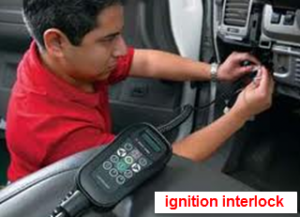
An engine interlock device is a small breath-testing unit wired into a vehicle’s ignition system. It prevents the engine from starting if the driver’s breath registers alcohol above a preset limit. The device uses a fuel cell sensor to measure blood alcohol concentration (BAC). If the reading exceeds the threshold, the car will not start.
In Maine, the interlocking device alcohol detection threshold is set at 0.02 BAC. This is far lower than the 0.08 legal limit for an OUI charge. This strict standard exists because the interlock program is designed for drivers who have already been convicted of operating under the influence. The goal is zero tolerance, not a generous margin.
The technology works in two stages. First, the driver must blow a clean breath sample before the engine turns over. Second, the device requires random rolling retests every 15 to 30 minutes while the vehicle is in motion. This prevents someone else from providing the initial sample and handing the wheel to an impaired driver.
Since July 2004, more than 75,000 ignition interlock devices have been installed across the country. These installations stem from the 1998 Transportation Restoration Act. In Maine, the interlock program operates under early license reinstatement with interlock. This statute allows certain OUI offenders to petition for early license reinstatement. They must agree to install and maintain an approved BAC interlock device. Eligibility rules, costs, and timelines depend on the number of prior offenses and the circumstances of each case.
Ignition Interlock Device Installation Fees and Monthly Fees
How much does an ignition interlock device cost in Maine? The installation fee is approximately $80. The device must be installed by a service center approved by the Maine Secretary of State. The interlock system for cars is rented, not purchased. The state requires tamper-proof hardware, certified calibration, and continuous data logging. Only approved providers can maintain these systems. Used interlock devices are not available for sale.
The monthly rental fee runs about $65. Calibration appointments are required every 30 to 60 days. The calibration fee is typically included in the monthly rental. If you miss a calibration appointment, the device will enter lockout mode. You will not be able to start your vehicle until the unit is serviced. A missed appointment can also trigger a violation report to the Maine BMV.
Removal costs around $40 once you complete the program.
Here is what the total costs look like over common program durations:
| Program Length | Installation | Monthly Rental | Removal | Estimated Total |
|---|---|---|---|---|
| 6 months | $80 | $390 | $40 | $510 |
| 1 year | $80 | $780 | $40 | $900 |
| 2 years | $80 | $1,560 | $40 | $1,680 |
| 3 years | $80 | $2,340 | $40 | $2,460 |
Additional fees may apply for violation resets. These occur when a failed test triggers a temporary lockout requiring a service visit. Early termination fees may also apply if the court modifies your interlock period. Maine does not have a formal statewide financial hardship waiver program for interlock costs. Some approved providers offer payment plans. If cost is a barrier, raise this issue with your attorney before the device is installed.
An interlock in vehicle allows OUI offenders to keep driving legally. That means maintaining employment, attending school, and handling family obligations. Without it, a license suspension would leave you without transportation.

Who Must Install an Interlock in Vehicle in Maine?
Maine’s interlock requirements depend on the number of prior OUI offenses and the circumstances of the current charge.
First-Time OUI Offenders
A first OUI conviction does not automatically require an interlock. However, a judge may order an engine interlock device as a condition of a conditional license. This is particularly likely if the driver’s BAC was significantly above 0.08 or if the case involved an accident.
Second and Subsequent OUI Offenses
Under early license reinstatement with interlock, a person with two OUI offenses may petition the Secretary of State for early license reinstatement. They must serve 9 months of a 3-year suspension first. Approval requires installing and maintaining an approved interlock for 2 years. A person with three OUI offenses may petition after serving 3 years of a 6-year suspension. Their interlock requirement is 3 years. For four or more offenses, the full suspension period must be served. The interlock must remain installed for 4 years. Mandatory interlock for fourth offenses applies to offenses occurring after August 31, 2008.
Aggravated OUI Situations
Cases involving a high BAC (typically 0.15 or above), refusal of a chemical test, or an accident with injury may result in extended interlock periods. The court may also impose stricter conditions at its discretion.
Petition Process
Before the Secretary of State will approve early reinstatement, you must satisfy all other conditions for license restoration. This includes completion of any required substance abuse programs, payment of fines, and proof of insurance. The petition process involves paperwork and documentation. Clients who prepare thoroughly and work with an attorney to assemble their petition have a smoother path through the BMV process.

How the Interlock System for Cars Works
Understanding the daily reality of living with an interlock helps you avoid problems.
Startup Breath Test
Before the engine will start, you blow into a mouthpiece connected to the BAC interlock device for several seconds. The fuel cell sensor analyzes your breath for alcohol. If your BAC reads below 0.02, the engine starts normally. If alcohol is detected at or above 0.02, the device locks you out for a waiting period. This typically lasts 5 to 15 minutes before you can retest.
Rolling Retests
While you drive, the device will prompt random retests every 15 to 30 minutes. You have a few minutes to provide a sample. If you fail or miss a rolling retest, the device logs the event. It activates your horn and flashing lights. It records a violation. For safety reasons, the engine does not shut off while the vehicle is in motion.
Data Logging and Reporting
Every breath test – pass, fail, or missed – is recorded by the device. The timestamp, BAC reading, and vehicle data are all logged. At each calibration appointment, this data is downloaded and reported to the Maine BMV. The device also logs any tampering attempts. This includes disconnecting the wiring or blowing compressed air into the mouthpiece.
Maine Climate Considerations
Maine’s cold winters can affect interlock performance. Extreme cold may require a longer warm-up period for the sensor. Moisture from breath can freeze in the mouthpiece. Keep your vehicle reasonably warm before testing. Carry a spare mouthpiece during winter months.
Common Interlock Violations and Consequences
In our experience representing OUI clients in Biddeford, Springvale, and Portland district courts, we have seen interlock violations create serious legal problems. Strict compliance is essential.
Failed Breath Tests
A single failed test is logged and reported. A pattern of failures triggers a BMV review. This could extend your interlock period or revoke your conditional license entirely.
Tampering and Circumvention
Having someone else blow into the device is a violation. Disconnecting the interlock is a violation. Driving a vehicle without an installed device is a violation. Circumvention is a criminal offense under Maine law. It can result in additional charges on top of the original OUI.
Missed Calibration Appointments
If you do not bring the vehicle to an approved service center on schedule, the device enters permanent lockout mode. Your car will not start until it is serviced. The missed appointment is reported to the BMV as a violation.
Consequences
Violation consequences may include extension of the interlock requirement by months or years. Your conditional license may be revoked. Criminal prosecution for circumvention may be pursued. Every violation makes your situation harder to resolve. If you receive a violation notice, contact an attorney before your BMV hearing.

Tips for Living With an Engine Interlock Device
Practical habits make the interlock program easier to manage.
Avoid alcohol-based mouthwash, hand sanitizer fumes, and fermented foods like kombucha or fresh bread. These can trigger false positives on the interlocking device alcohol sensor. Wait at least 15 minutes after eating or drinking anything before providing a breath sample.
Keep the mouthpiece clean and dry. Maine winters are hard on the equipment. A frozen or dirty mouthpiece can cause test errors. Store a spare mouthpiece in your glove compartment.
Schedule calibration appointments early and set reminders. A missed appointment leads to a lockout and a violation report. Do not wait until the last day of your service window.
If you fail a test and believe it was a false positive, stay calm. Wait the lockout period and retest. Document what you ate or drank beforehand. This information can help your attorney challenge the violation if it becomes an issue.
If you need to drive more than one vehicle, each one must have an interlock installed. There are no exceptions.
Let passengers know about rolling retests. The unexpected beeping can startle people who are not familiar with the device.
Talk to a Maine OUI Defense Lawyer About Your Interlock Requirements
An engine interlock device requirement affects your daily routine, your finances, and your privacy for months or years. The costs add up, the rules are strict, and a single violation can set you back significantly.
An experienced OUI defense attorney may be able to challenge the underlying OUI charge. They may negotiate reduced interlock periods. They can guide you through the BMV petition process for early reinstatement. Webb Law Firm handles OUI cases throughout southern Maine. We are familiar with both the courtroom and administrative sides of the interlock program.
Interlock requirements vary by case. The information on this page is general. Your situation may be different depending on your prior record, BAC level, and the specific facts of your case.
Contact Webb Law Firm for a free consultation to discuss your OUI charge and interlock obligations.

Frequently Asked Questions
How long do you need an engine interlock device after an OUI in Maine?
The required interlock period depends on your number of OUI offenses. A second offense typically requires 2 years of interlock use. A third offense requires 3 years. Four or more offenses require 4 years. First-offense interlock periods vary based on court orders. These timelines may be extended if you commit interlock violations.
Can you get a hardship license with an interlock in vehicle in Maine?
Maine does not use the term “hardship license,” but the interlock program serves a similar purpose. Eligible drivers can petition the Secretary of State for early license reinstatement with an interlock condition. This allows them to drive legally during what would otherwise be a full suspension period.
What happens if you fail a BAC interlock device breath test?
The device locks you out for 5 to 15 minutes before allowing a retest. The failed test is recorded and reported to the Maine BMV at your next calibration appointment. Repeated failures can lead to extension of your interlock period or revocation of your conditional license.
How much does an interlock system for cars cost per month in Maine?
The monthly rental fee is approximately $65, with an initial installation fee of about $80 and a removal fee of about $40. Total costs range from roughly $510 for a 6-month program to over $2,400 for a 3-year program. The required duration varies based on your specific case.
Can you drink alcohol at all while you have an interlocking device alcohol monitor?
The interlock threshold in Maine is 0.02 BAC, which is far below the legal driving limit. Even one drink could cause a failed test depending on your body weight, metabolism, and timing. Most interlock providers and attorneys advise avoiding alcohol entirely during the program. This prevents failed tests and the serious consequences that follow.